by dumondemc | Mar 1, 2026 | CNA Program
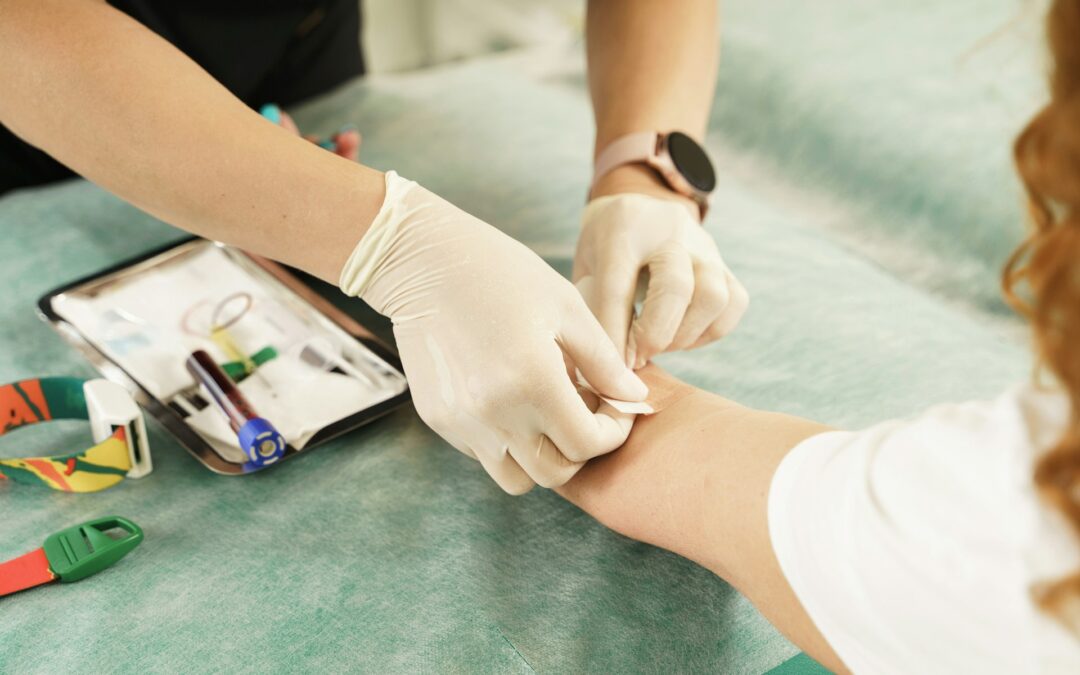
You are already working as a CNA, you enjoy caring for patients, and now you are wondering if phlebotomy might be your next move. That is a smart question to ask, because both roles keep you close to patients, but the workdays feel very different. Choosing the right...
by dumondemc | Feb 22, 2026 | CNA Program
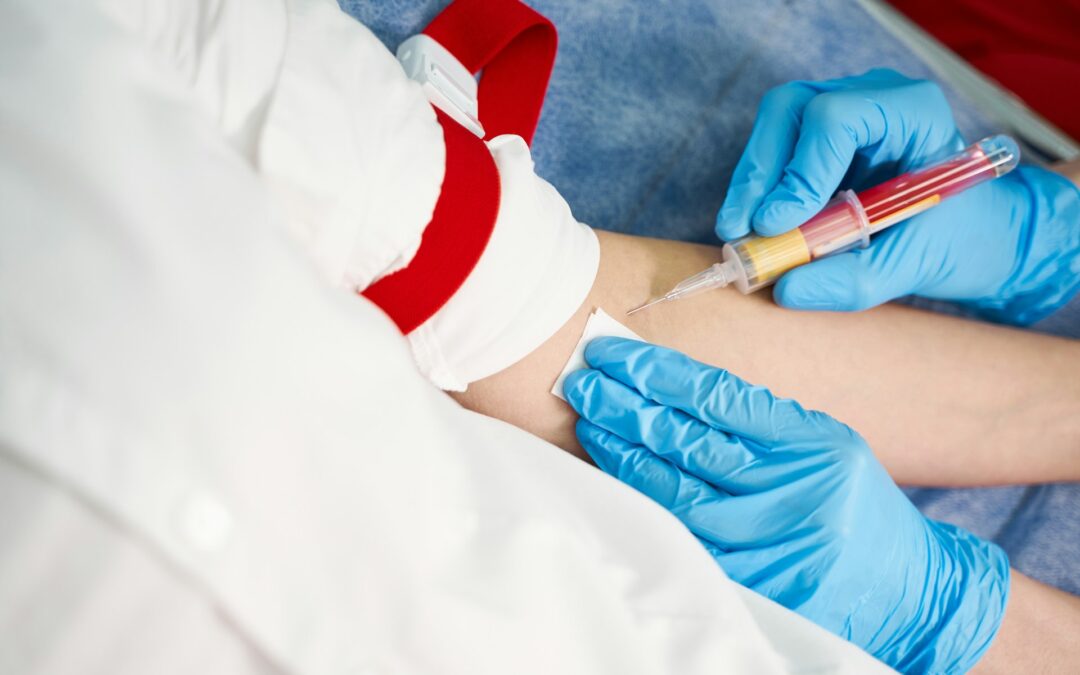
Blood collection is one of the first hands-on skills many new healthcare workers learn. Each clean, safe blood draw helps a care team get the information they need and helps a patient feel they are in good hands. When you build good habits early, they tend to stay...
by dumondemc | Feb 22, 2026 | CNA Program
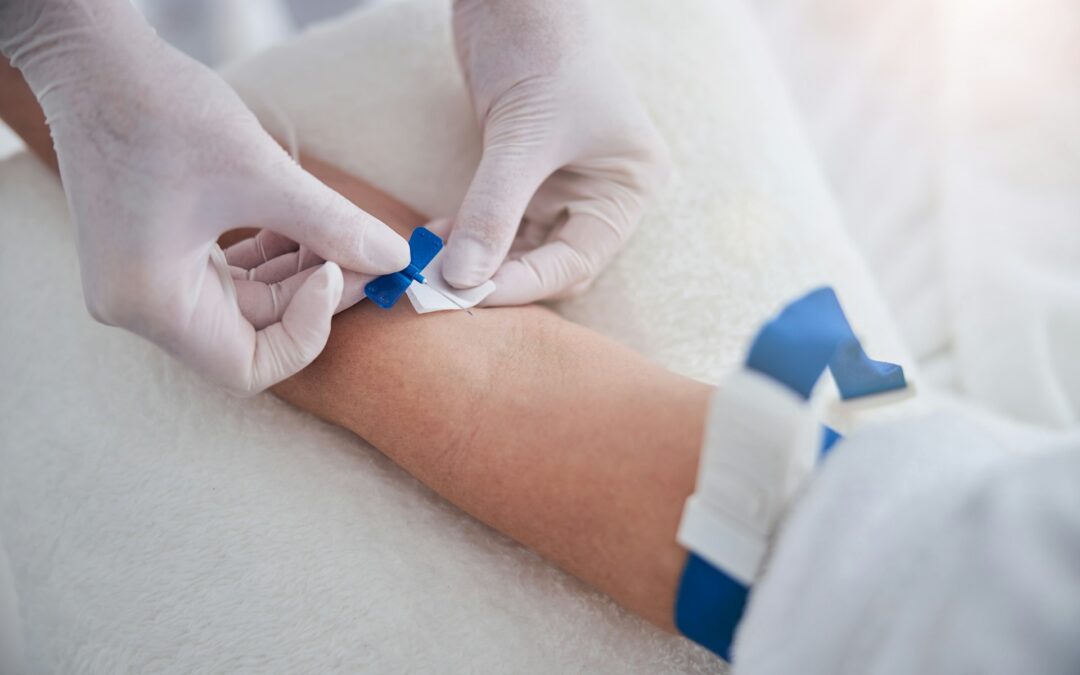
Phlebotomy clinicals follow a set schedule, but CNA work rarely does. In many Georgia care settings, CNAs juggle rotating shifts, mandatory overtime, and last-minute calls to cover open spots. That kind of schedule can make fixed clinical days feel impossible if you...
by dumondemc | Feb 15, 2026 | CNA Program
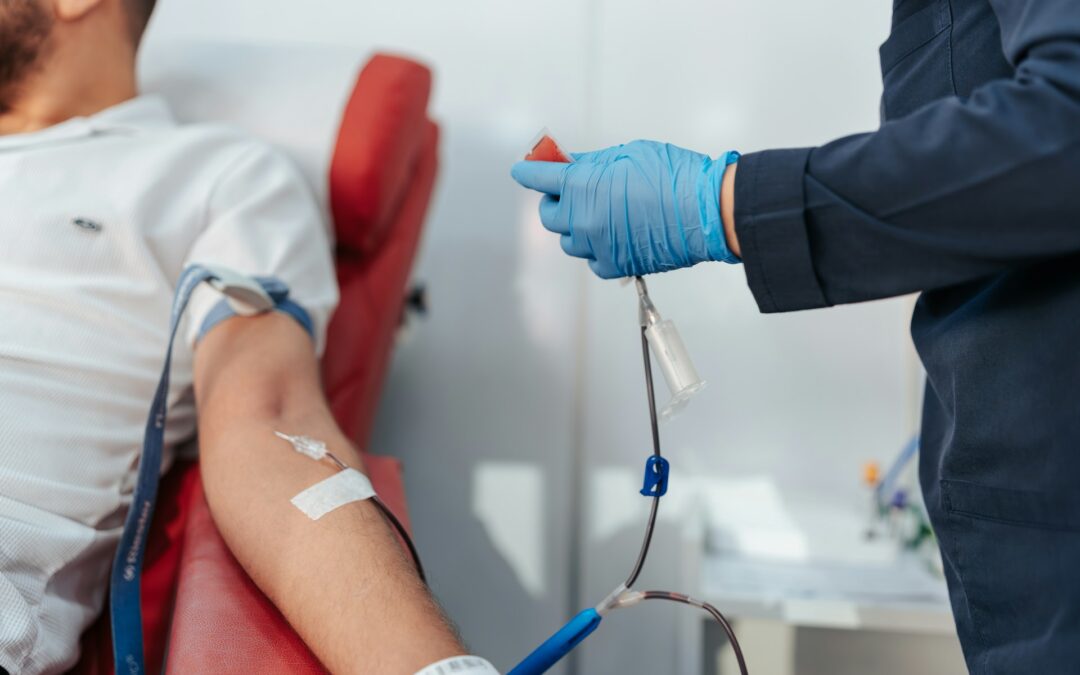
CNA work is real, hands-on healthcare. You are the one helping people dress, move, eat, stay safe, and feel heard during long days and long nights. That experience gives you something many people never get in this field: real comfort at the bedside. You already know...
by dumondemc | Feb 15, 2026 | CNA Program
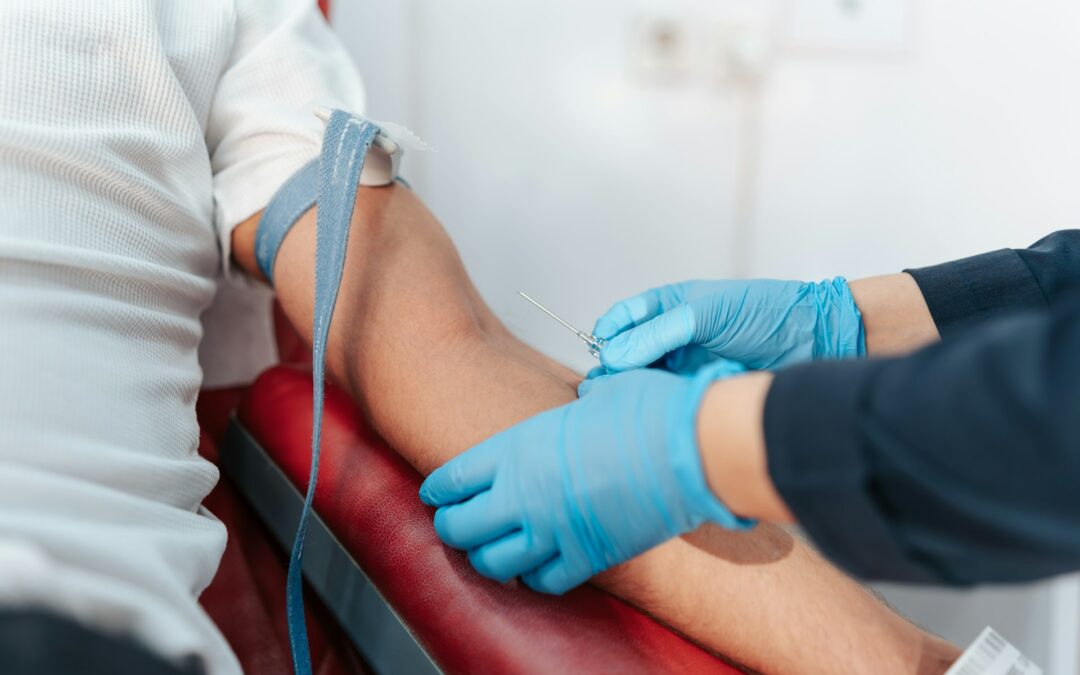
Venipuncture sequences are the exact steps we follow, in order, every time we draw blood. It might look simple from the outside, but each step has a purpose. The right sequence helps protect the patient, protect you, and protect the lab results that providers depend...
by dumondemc | Feb 8, 2026 | CNA Program
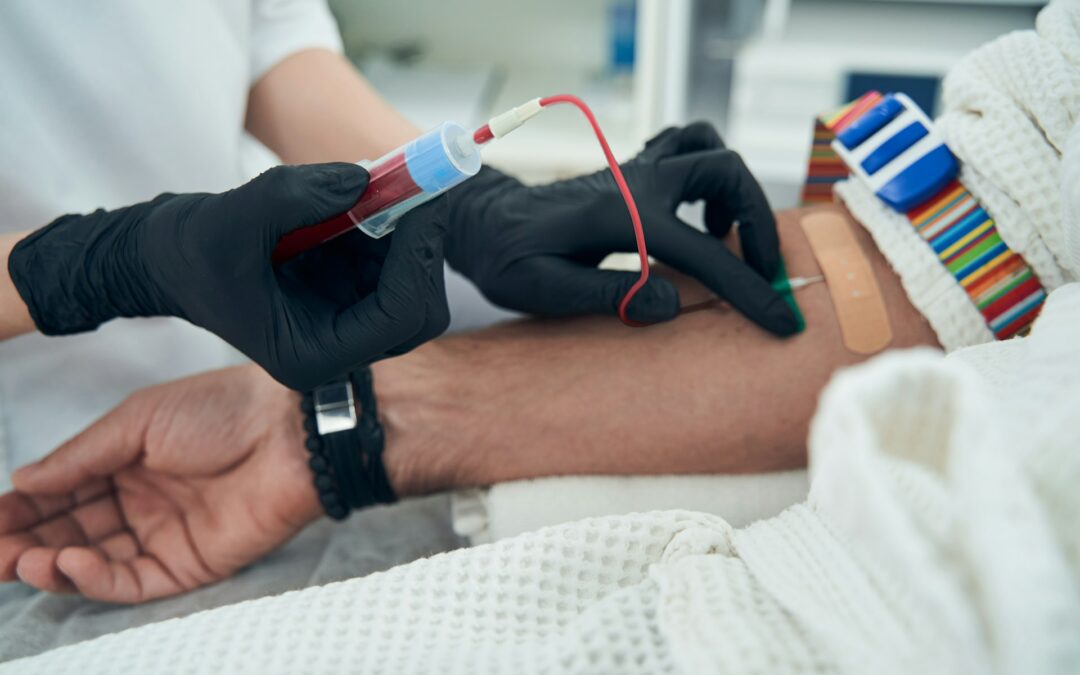
Blood draws can change the mood of a whole room in seconds. Many CNAs see this every day, especially when coughs, colds, and chronic illness flares bring more lab work. A simple venipuncture can turn into tears, anger, or refusal if fear takes over. With the right...
