Compliance training for phlebotomy teams has a direct impact on how safe and smooth things run each day in a healthcare setting. When teams understand not just what the rules are but why they matter, small steps can lead to stronger results. In places like Roswell, GA, where patient visits typically go up during colder months, training becomes even more important. Staff are often stretched thin, so there is less room for error. Creating clear systems supported by training means everyone has the same game plan.
Effective risk management services depend on daily choices, not just annual reviews. At DuMonde Management & Consulting, we have seen that regular, thoughtful safety training can reinforce details that often get missed. While it starts with phlebotomy teams, the impact spreads to every part of a facility. Let’s look at the kind of training that not only keeps people safe, but helps everyone work better together from the start of the shift to the end.
Why Compliance Training Matters for Phlebotomy Teams
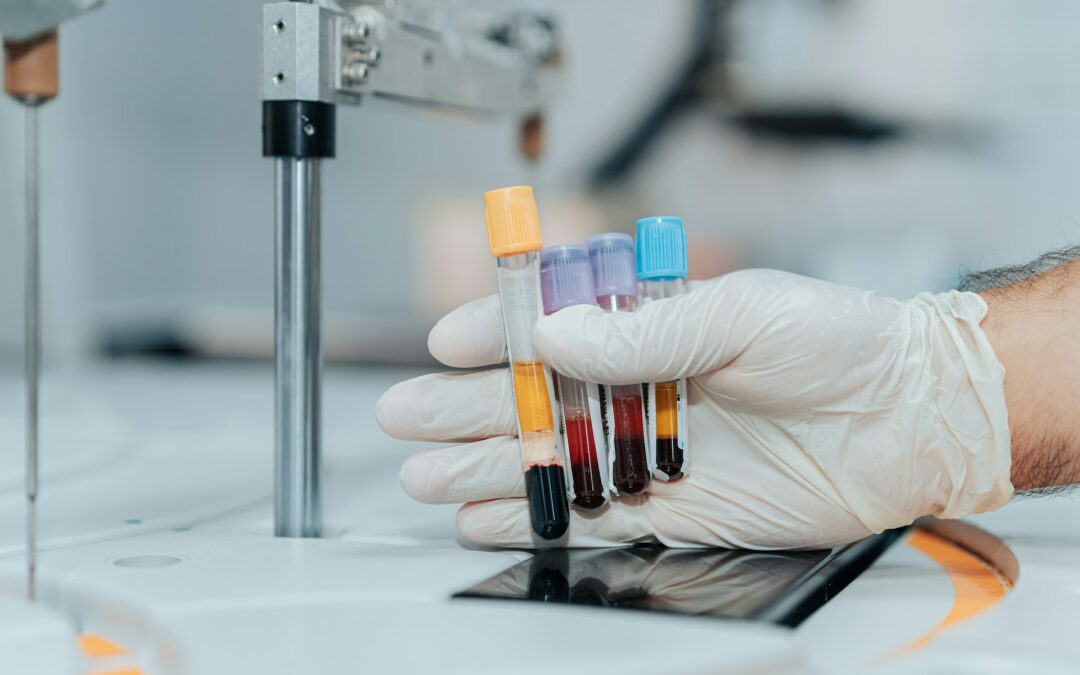
Phlebotomists are often the first hands-on contact patients have. They prepare people for tests, explain what is happening, and collect samples the right way. That work may seem routine, but the risks are real. A small misstep, like reusing gloves or mislabeling a tube, can place the patient, the worker, and the entire care team at risk.
Simple acts, like cleaning the draw area properly or logging the sample without delays, help stop small issues from stacking up. When training reminds staff how those steps connect to bigger issues like lab errors or follow-up delays, they act with more care. Everyone benefits when staff understand how their work fits the wider safety picture.
But it only works when rules become something people actually use. That means training needs to be clear, specific, and practical. It should not just live in a binder. It should reflect the real tasks people face every shift and help them respond the same way, every time.
Key Topics to Include in Winter-Season Phlebotomy Training
Training has to shift with the seasons. In Georgia, colder weather often brings more flu cases and adds pressure during an already busy schedule. At this time of year, facilities in places like Roswell may work with reduced staff numbers, so building in a reset through compliance sessions can help keep things steady.
Here are a few things we like to include in winter updates:
• Reinforce the basics of using gowns, masks, and gloves with extra care during contagious outbreaks
• Make time for hand hygiene reviews, especially when team members rotate in or return from time off
• Go over how cold air may impact patients with fragile health, including how to manage layers or check circulation before a blood draw
DuMonde Management & Consulting’s Allied Health certification programs, including Phlebotomy Technician, are built on a foundation of compliance and safety, addressing seasonal hazards that affect both patients and staff. Scheduling a few seasonal refreshers during January helps teams get back in sync. With holidays behind us and new schedules in place, it is a practical time to focus on renewal and realignment.
Building a Shared Safety Culture Across the Whole Facility
Safety does not stop at the lab door. A culture of safety is a group commitment, not a solo effort. When departments share responsibilities and build understanding around each other’s roles, the result is a more stable and supportive environment.
It starts with awareness. All staff, not just nurses or technicians, benefit from basic safety training. A front-desk team that understands timing and prep for blood work can help patients feel more ready by the time they enter the lab. Aides who know when not to interrupt a collection session can prevent drops in focus.
Some ways we encourage shared safety include:
• Posting clear reminder signs in common spaces about sample handling and contamination zones
• Giving short updates during team huddles so people stay aware of safety alerts or changes
• Holding monthly check-ins where staff can raise concerns or share ideas for smoother handoffs
Our consulting services include policy development and compliance training focused on cross-department safety practices, so every team member is part of the solution.
When every role supports safe collection, it creates space for better patient care.
Supporting Your Phlebotomy Team With the Right Tools and Oversight
Even the best training loses ground if it is not backed up behind the scenes. People need reminders, feedback, and the right equipment to carry out what they have learned. And they need time to build skill, especially if they are new.
We focus on a few basics to build steady skills:
• Ready-to-use supply kits and tracking tools that follow daily workflows
• Shadowing plans that pair newer team members with experienced staff who can guide them in real time
• Scheduled checks by managers or trainers who support, not punish, from checking sample logs to offering tips on technique
Facility audits and staff certification, provided by DuMonde Management & Consulting, help create a reliable structure for improvement and sustained compliance. This kind of support reduces the stress of guessing. When staff know what right looks like, they can aim for it every time.
Safety Habits That Create Real Improvement
When safety becomes something we all practice daily, things change. There are fewer rushed fixes or second guesses. Patient care moves with less friction. People talk to each other more and assume less. Instead of tolerating stress, teams build habits that make things easier.
We have seen that risk management services mean more than policies; they are about what people actually do together. Once safety becomes a team habit, it shapes how everyone approaches problems and supports better decisions from shift to shift. It is not about perfection. It is about consistency. That consistency helps every part of a facility feel more prepared, more in step, and more able to handle what comes next.
Strengthen Your Team’s Performance This Winter
At DuMonde Management & Consulting, we know safe healthcare starts with reliable systems and the people who carry them out. Strong daily habits, clear communication, and the right checks all support safer workflows, even during busy winter months in Roswell, GA. With our proven “Optimum Care” approach and decades of experience in staff and operations training, we can help your team face each season with more confidence.
When you are ready to strengthen those areas through focused safety strategies, our risk management services can help bring structure to what matters most. Let’s work together to set your team up for more predictable, confident performance. Give us a call to start the conversation.