
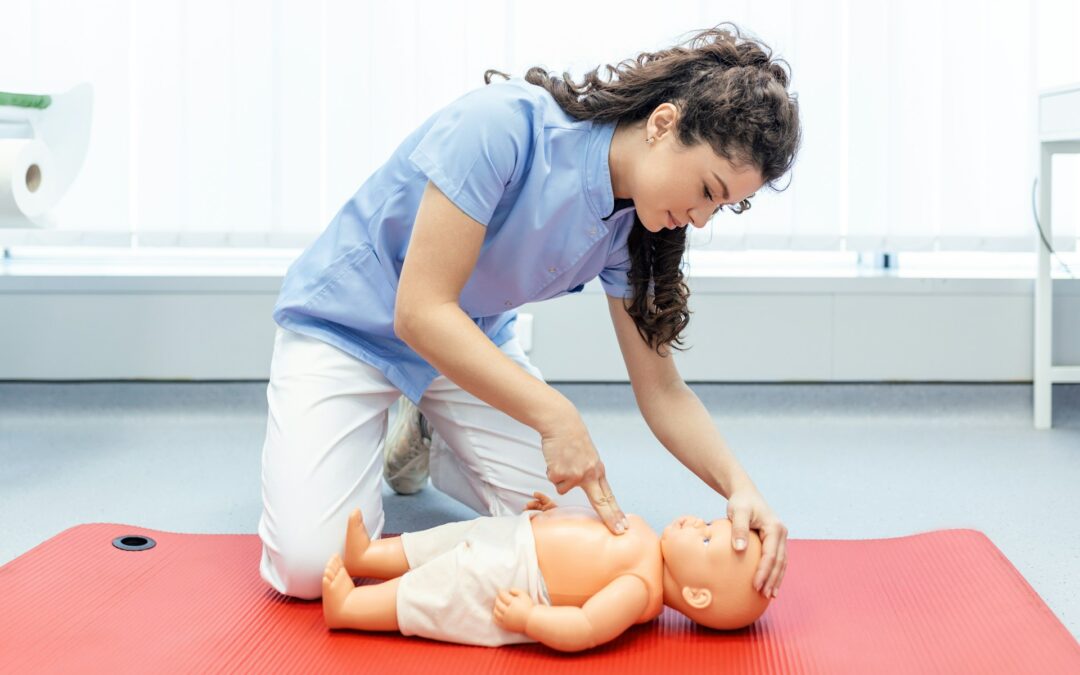
A day in the life of a phlebotomist usually starts early, and it is rarely the same from one place to the next. Some of us clock in at a clinic where the patients arrive with appointments and lab slips, while others head straight to hospital floors where things move fast and blood draws do not always come with a heads-up. Then there are those who prep their cars while it is still dark, gearing up to see patients in their homes before breakfast. No matter the setting, our work matters. We help doctors get accurate results, and we help patients feel at ease during what can be a stressful moment.
Across clinics, hospitals, and mobile visits, each environment brings a unique rhythm. What stays the same is the need to focus, stay organized, and connect with people. When we take the time to explain what is happening, smile through our steps, and use what we learned in our CPR first aid course, we turn a routine task into a small act of care. Here is what these workdays can actually look like from start to finish.
Working in a Clinic: Scheduled and Steady
In a clinic, things tend to feel more structured. We often work in family practices or outpatient labs where patients come in with appointments, and we follow a daily list. The environment is usually quiet compared to hospitals. We might work with one or two coworkers or even alone during a shift, depending on the size of the practice.
Patient visits vary, but many are coming for routine tests. That means a lot of repeat faces and a fair amount of seniors, especially here in Roswell, GA. Mornings can be busier, with most blood draws done before noon, while afternoons tend to move slower. With the steadier pace, there is more time to double-check lab forms, follow procedures the right way, and take extra care with patients who may be nervous or new.
Phlebotomists in clinics are often the first staff members patients meet. Establishing trust quickly is important, especially when someone is anxious about having blood drawn. Greeting them warmly, explaining the process, and checking for concerns can help them feel more comfortable. Sometimes a comforting word or gentle reassurance makes a big difference for someone feeling uneasy about medical procedures.
Life in a Hospital: Fast and Unpredictable
Hospital work runs at a much faster pace. Shifts cover all hours, days, nights, and weekends, and we typically work as part of a larger team. We might start our shift with a list of patient draws, but that list can change quickly once ER calls come through or a critical care floor needs extra help.
We cover multiple floors. That means a lot of walking and adjusting our approach based on each patient’s condition. Some can speak clearly and chat, while others are unconscious or hooked to machines. We follow detailed protocols in these cases and work closely with nurses to make sure everything is done safely.
Phlebotomists in hospitals must be alert, respectful, and adaptable. It is common to find yourself rushing to one location and then pausing to support a coworker or comfort a patient. Time management and swift communication are key. We often deal with more urgent requests and must prioritize efficiently while upholding safety and quality care.
In hospital settings, it is not just about skill with the needle. It is about staying calm under pressure, being polite in tight situations, and knowing how to handle urgent requests without losing focus. No two days feel the same, and that is what keeps many of us on our toes.
Going Mobile: Flexibility on the Road
Mobile phlebotomy is a different kind of challenge. We start our day by checking supplies and directions before heading out to homes, senior centers, or special events. There is a lot of independence involved, which is something many of us value. We have to be good at time management, since we are traveling between appointments and need to stick to a detailed schedule.
In winter months like January, mornings can be cold, so we make sure everything in the car is prepped, equipment is stored safely, and nothing is left to freeze. Dressing in layers helps with hopping in and out of the car throughout the day.
Some mobile draws are routine, while others serve people who cannot get to clinics, like elderly patients or individuals with limited mobility. When we walk into a home, we bring calm with us. A quick smile, a check of our forms, and a soft explanation of what we are doing goes a long way.
On busy days, keeping track of multiple addresses and maintaining focus can be a challenge. Making sure paperwork is in order, supplies are stocked, and samples are properly labeled helps everything run smoothly. Interacting with a new person at every stop means staying attentive so that each visit feels personal and organized.
Skills that Make the Day Easier
There are a few core habits that help no matter where we work:
• Strong communication makes each interaction smoother
• Patience helps with those who are scared or hard to draw
• Observing hygiene and safety rules protects everyone on site
• Being comfortable with shifting routines prepares us for surprises
We also stay organized by keeping our supplies in order, checking equipment twice, and confirming patient information before every draw. These habits might seem small, but skipping them adds friction to the day. Whether we are placing labels or explaining a needle stick to a teen who is nervous, these skills matter.
Listening is also an essential part of our day. Understanding a patient’s needs or fears lets us adjust our approach. Even when the work is repetitive, attention to small details brings consistency and quality. Practicing patience and watching for signs of discomfort or confusion can make every encounter better.
Career Growth and Specialized Training
Phlebotomists can benefit from ongoing education and certification, leading to more confident, efficient care and stronger job prospects. Organizations in the Atlanta region look for team members with certifications like the National Healthcareer Association’s CPT. We provide certified phlebotomy courses with real-world, hands-on training for seniors, rehabilitation staff, and care professionals. Our “Optimum Care” approach not only builds technical skill, but also builds safety and compassion for patients in diverse medical environments.
Continual learning helps us adapt to new medical technologies, improve patient care techniques, and stay current with changing procedures. Adding skills like CPR and first aid means we are more prepared for challenges, large or small. Each class, certification, or workshop adds another tool to rely on during our varied workdays.
What It Feels Like to Make a Difference
Working in patient care, no matter the job title, often comes with challenging moments. But it also comes with connection. That quick chat before a blood draw, the sigh of relief when it is over, or the way a patient says thank you all remind us that we are doing more than just a task.
Whether we are clocked into a Roswell clinic, walking the halls of a hospital, or checking our map for a mobile visit, we bring a steady presence. People trust us to handle something they may be worried about. By being gentle, prepared, and respectful, we make that experience a little less stressful.
Helping patients feel respected and safe, even for five minutes, is something we take pride in. It is not about doing big things. It is about doing small things well, over and over, no matter where the job takes us.
Feeling grateful for each positive exchange, we remind ourselves why we do this work. Those moments of trust and comfort matter as much to us as to our patients.
Stepping Forward With Confidence
At DuMonde Management & Consulting, we understand how important it is to feel confident and prepared in healthcare settings, especially when responding in a calm, informed way. Whether you are working in a clinic, hospital, or on the move in Roswell, GA, the skills from a well-led CPR first aid course help you act with clarity and care. Quick thinking and steady hands matter most in unexpected moments, which is why we build strong foundations into every training. When you want to step into patient care with the right skills, we are here to help you move forward.
